The academic foundation of PNAQL. The case for why creative economies have no functioning capital market, and what it would take to build one.
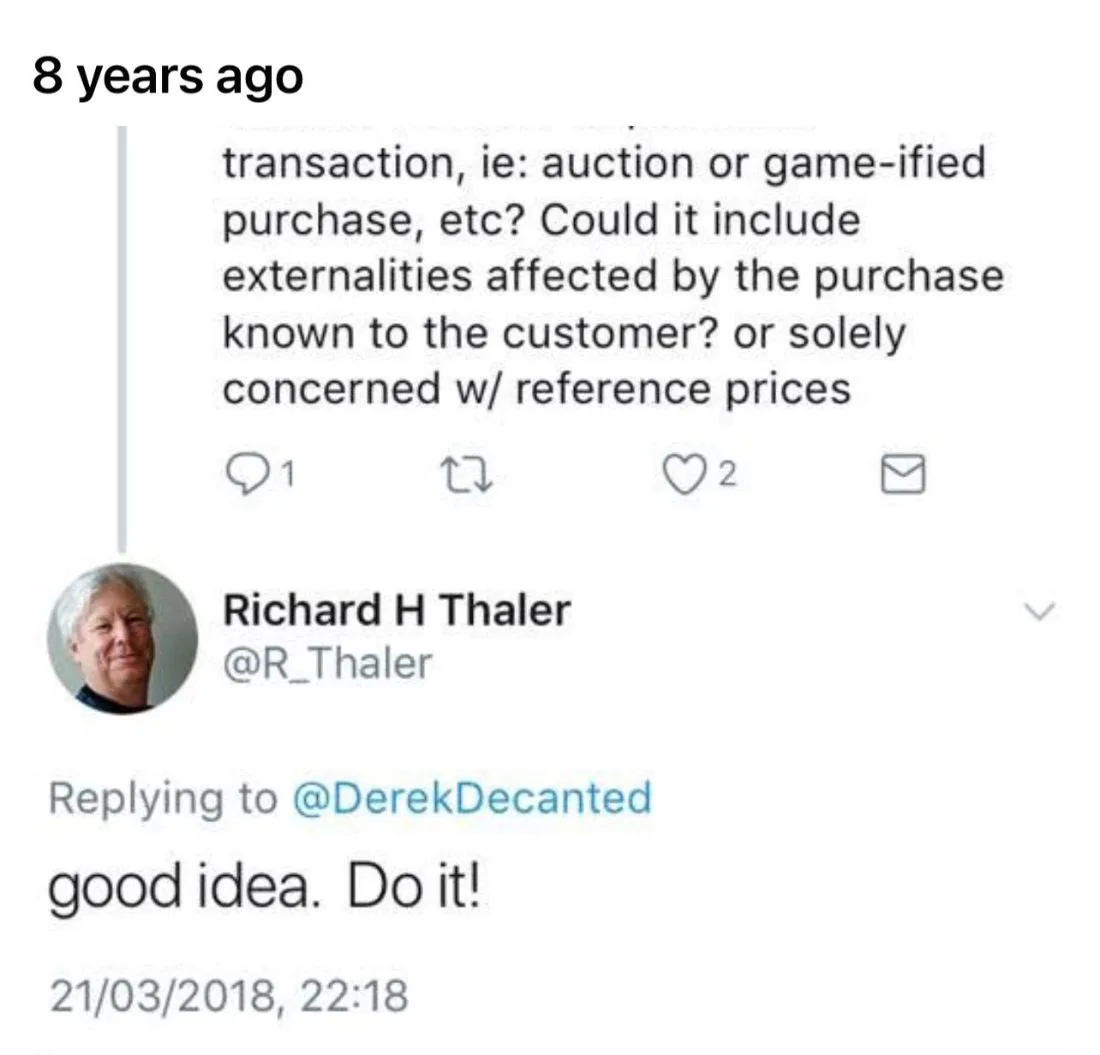
In 2018, Derek Morrison asked Nobel laureate Richard Thaler whether his Transactional Utility Theory could be extended to include externalities known to the consumer. Thaler replied in four words.
"good idea. Do it!"
Richard H. Thaler · @R_Thaler · 21 March 2018So he did. The underlying question was serious. What happens to the utility that exists beyond what any price signal can carry?
Every stream, every ticket sale, every download records a consumption event and pays accordingly. But creative works do something else. A song shapes culture for decades. A film becomes a reference point for generations. A piece of art changes what gets made next. That value keeps compounding long after the transaction closes. The creator's share was settled at the moment of the click. The price signal is structurally wrong, and most wrong for the work that ends up mattering most.
The result is a structurally missing market.
Abstract economic claims become concrete when you look at real creative work. Each of these cases isolates a different dimension of the missing market problem, and together they make the theoretical argument visible.
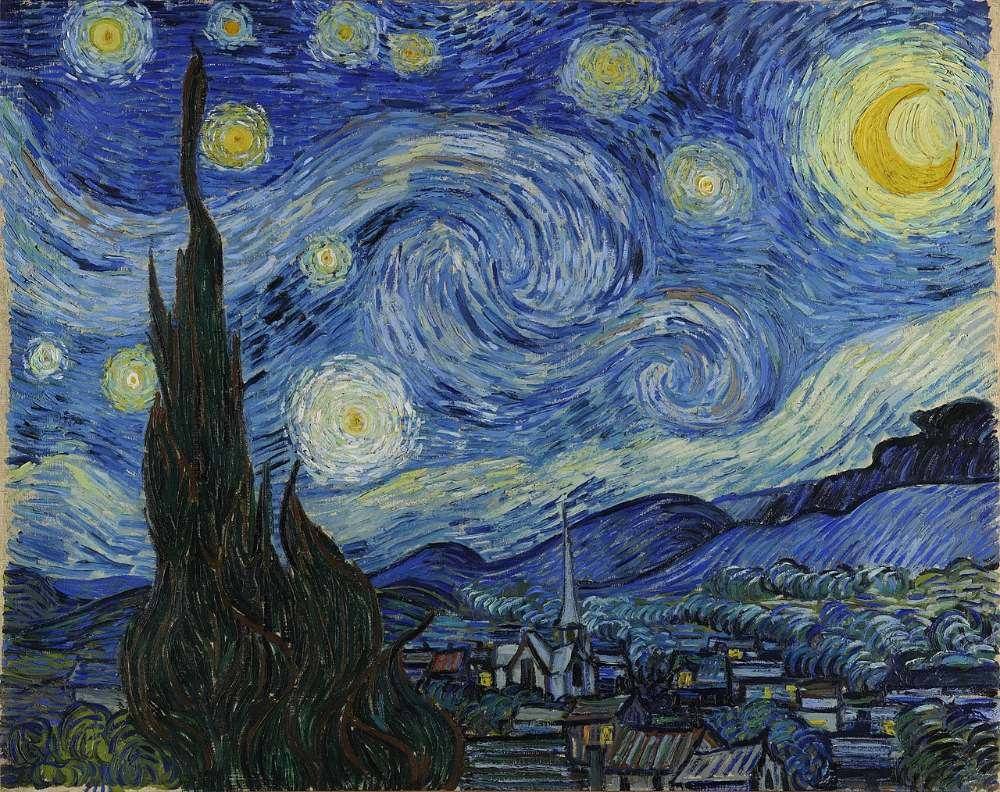
Van Gogh sold one painting in his lifetime. His work now generates billions in downstream economic activity annually, in museum attendance, reproduction licensing, tourism, and the shared vocabulary of a world where Starry Night belongs to everyone. The market's subsequent valuation of his work is a retrospective claim on production it played no role in enabling. The market benefited from a failure it caused.
The work exists because his brother Theo provided a private stipend that substituted for the market signal the architecture failed to send. The market said: this generates no return. Theo said: make it anyway. We observe Van Gogh because Theo existed. We cannot observe the painters of equivalent potential who received the same signal without a Theo, responded rationally, and became something else. The market shows us its survivors. It has no method for counting its casualties.
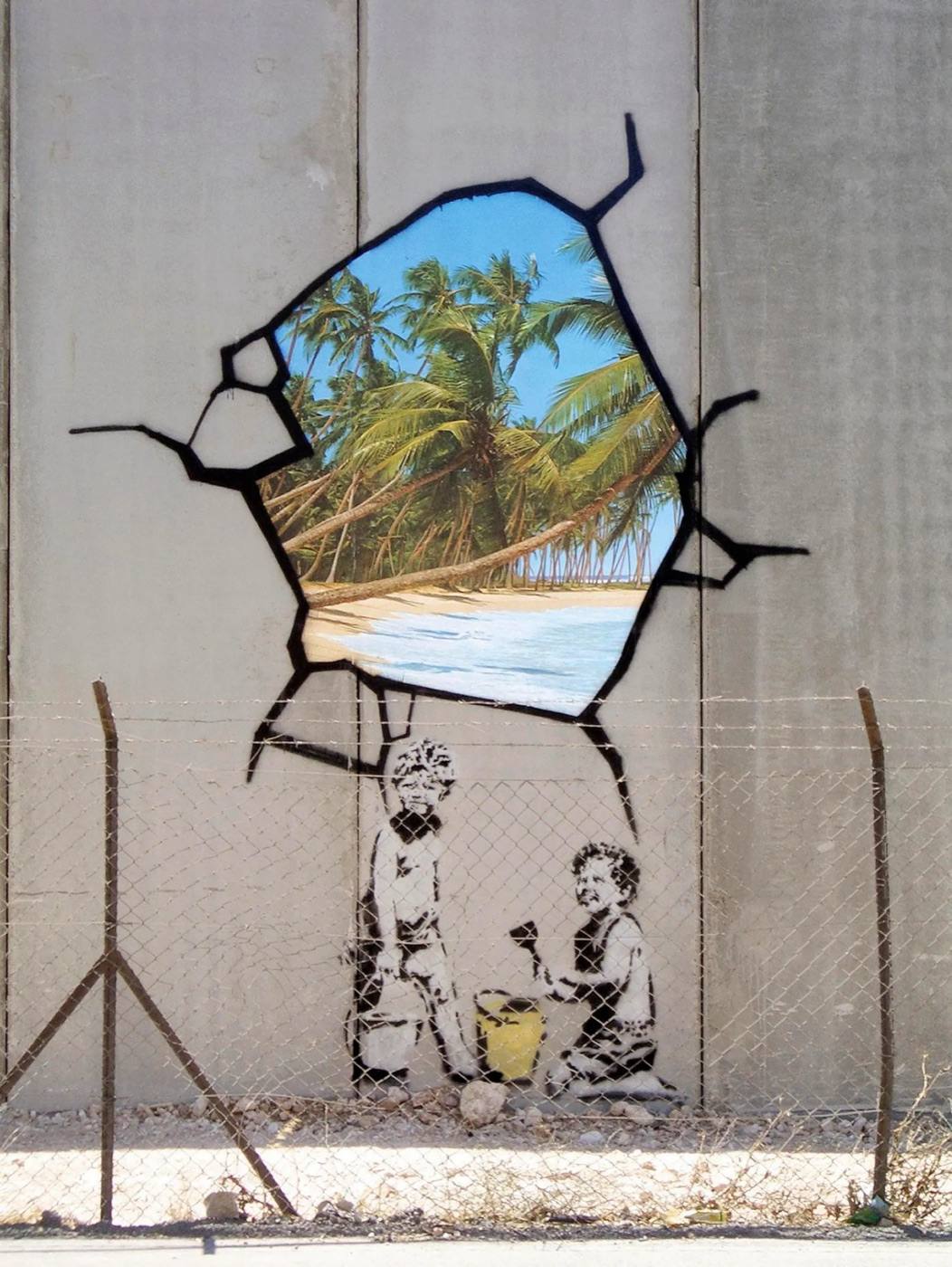
These works were created illegally, with no sale mechanism and no attribution. The cultural value they generated accumulated regardless: civic discourse, international attention, economic value far beyond the original transaction, across the global art market. His canvas works now achieve $25m+ at auction. That value crystallised somewhere else, long after the fact.
Remove the transaction entirely and the cultural value still compounds. That proves the value is generated independent of the sale. The sale is just the only moment the current system has any mechanism to capture it.
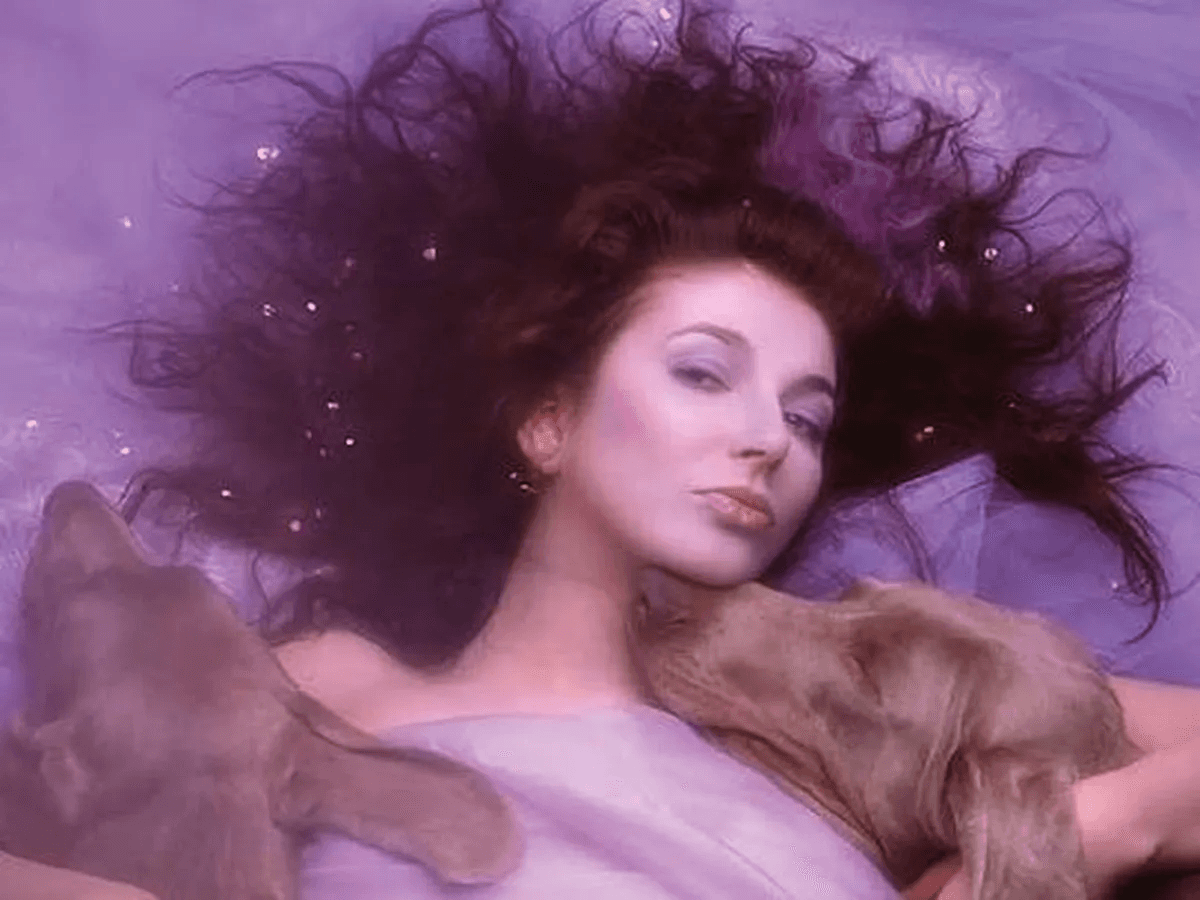
Running Up That Hill reached number three in the UK in 1985, then entered decades of cultural dormancy: present in the shared vocabulary of a generation, accumulating meaning, but generating negligible commercial returns. When the Stranger Things team came to license it in 2022, they selected it precisely for that accumulated cultural weight, the period-marking, the emotional depth, the sense of something universally half-remembered. They were purchasing 37 years of compounding cultural value.
The sync license was priced against the song's commercial record: a largely dormant catalogue track with low streaming figures. One party at the table knew what they were buying. The other had only the sales history to price from. The song hit number one in the UK in 2022 and generated hundreds of millions of streams. Those streams paid at standard per-play rates, with no mechanism to reflect that the demand existed because of 37 years of cultural accumulation, not the consumption event itself.
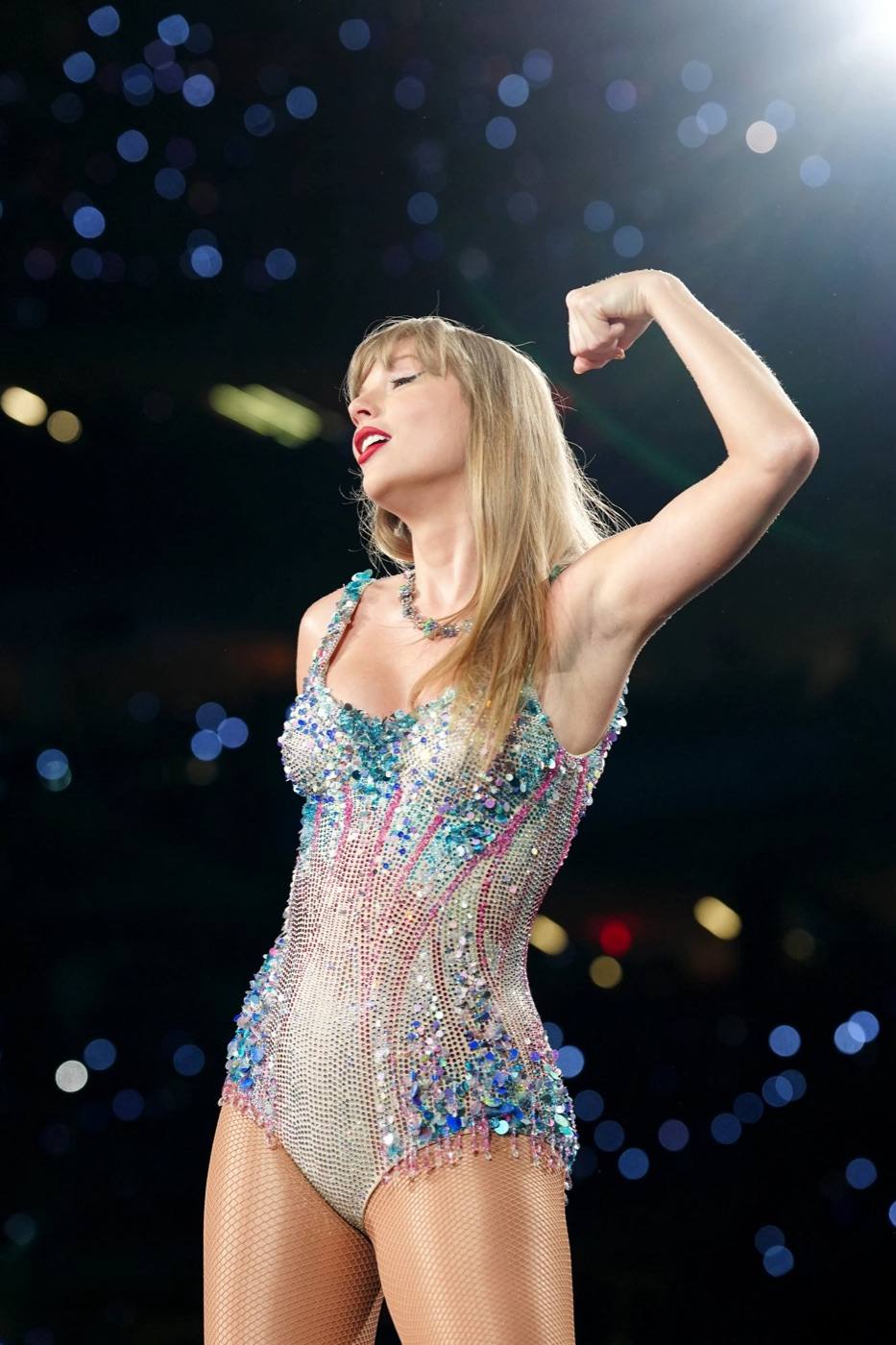
The same compositions, the same arrangements, the same artist. When Taylor Swift re-recorded her first six albums, audiences migrated at scale to Taylor's Version. Streaming shifted. Film and television productions chose the re-recordings for sync. Brands and broadcasters followed. The original masters, the assets for which Scooter Braun paid a substantial acquisition multiple, declined in cultural relevance and commercial utility relative to the re-recordings.
The recordings were acoustically near-identical. What Braun had purchased was the underlying asset. What he had not purchased, and what the transaction architecture had no instrument to convey, was the relationship between the artist and her audience: the cultural meaning, the sense of who owned the story. That relationship transferred with the artist. The value followed it. The re-recordings are the most precisely controlled natural experiment for this claim: the cultural value that makes creative IP worth acquiring does not transfer with the IP.
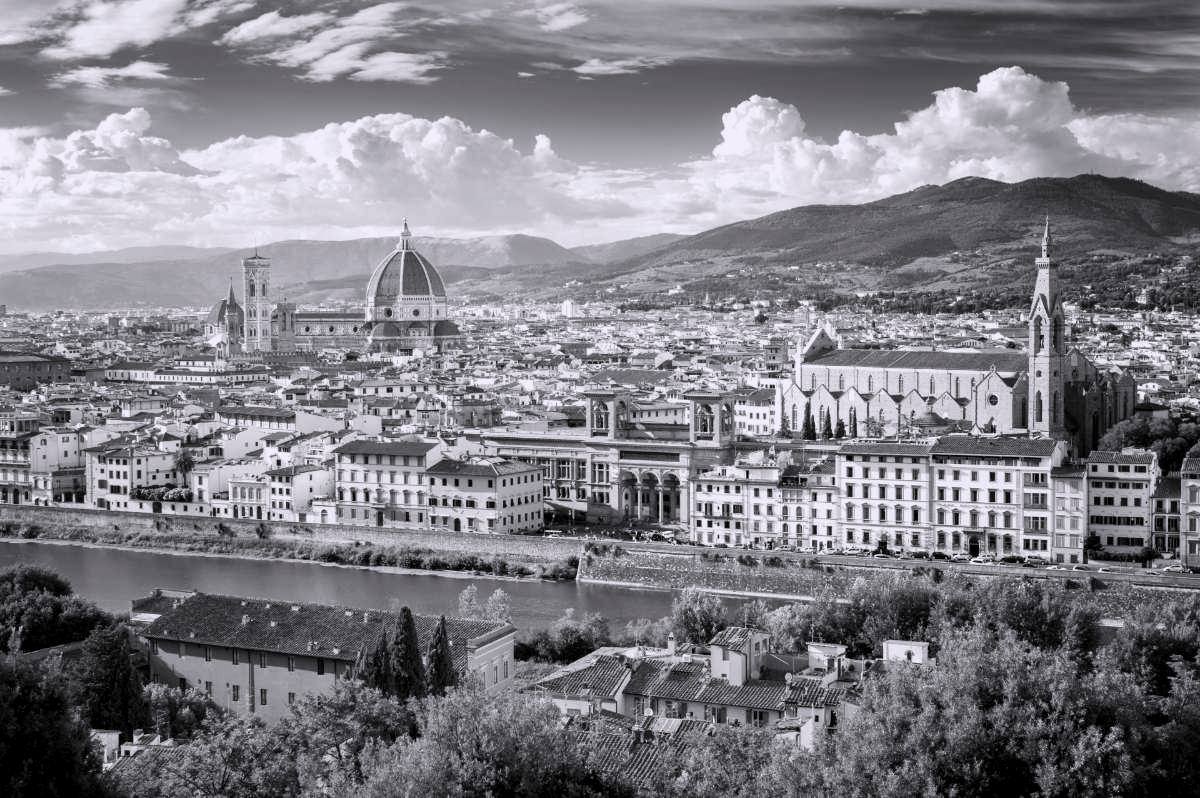
The cultural value generated by centuries of creative work in Tuscany has compounded into tourism, property, and regional identity worth orders of magnitude more than any original transaction price captured. Each creator was paid what the market could see at the point of sale. The value that accumulated afterwards had no instrument. The paper's three pillars establish why that gap exists, why it persists, and why it gets wider.
Global tourism generates $2.7 trillion annually. The global recorded music market generates $19 billion. Culture generates enormous broader economic impact across property, travel, and every industry that profits from the cultural atmosphere it did not create. A missing market is one that would clear if it could form. This one cannot form under current payment architecture.
Payment systems treat the transaction as final. The creator's economic claim closes at the moment of sale, before the cultural value has begun to compound. No information available at that point can price what does not yet exist. The market cannot self-assemble from within the system it would displace.
Creators facing a structurally wrong price signal adapt to it. The highest-quality producers exit or redirect toward what the signal rewards. The generation that follows develops its craft under those conditions and never acquires what a corrected market would value. Creative capability lost to a bad signal does not return.
As the wrong price signal persists across generations, output volume rises while the cultural quality of that output falls. The market reads rising output as a sign of health. The charts say otherwise.
Think of the creative inheritance stock as a sourdough starter. Each generation draws from what came before and feeds a richer culture forward. When the market stops signalling that slow, original work is worth making, the starter weakens. Output still rises, but the culture in each loaf is thinner.
The chart maps this precisely. The three lines show output volume, creative inheritance, and the rate at which cultural value is generated per period. The tipping point is where rising output can no longer compensate for depleted inheritance.
Four creative archetypes plotted across generational time. The slow-burn work sits near zero through the Risk Window, when producers receive no signal and make survival decisions. By the time recognition arrives, most of that capability is already gone.
Van Gogh's trajectory is the orange line.
Missing Markets, Attribution Failure, and the Depletion of the Cultural Utility Stock. Circulated for comment and collaboration.